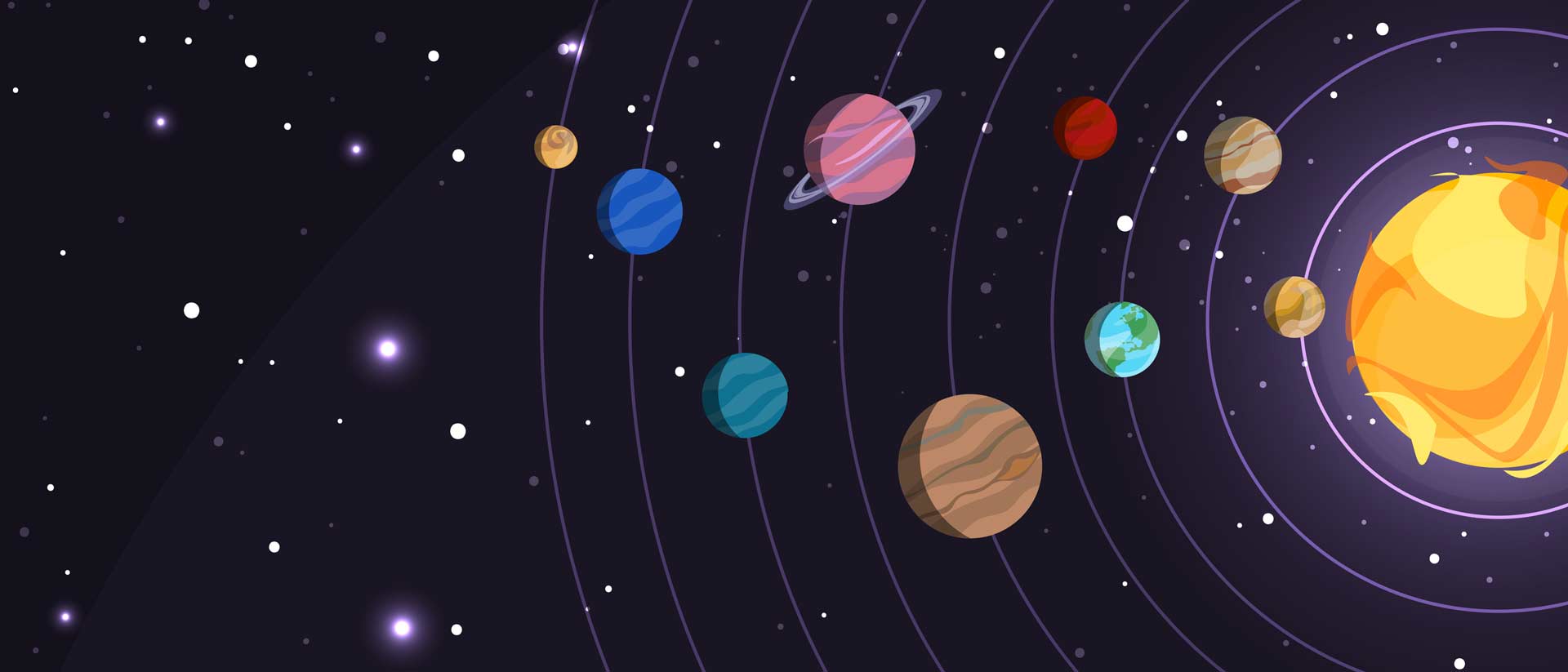
Astronomy in Canada: From Stargazing to Space Technology
Interest in astronomy in Canada often begins far from institutions or laboratories. It starts outdoors, usually close to home. A clear winter evening, the Moon rising over rooftops, or a short drive beyond city lights where the Milky Way becomes visible again. From there, curiosity tends to widen. Backyard observing leads to planetarium visits. Planetariums raise questions about satellites, space missions, and how space technology quietly supports everyday life.
This page follows that common Canadian path: observation, public learning spaces, and the broader space ecosystem that Canada actively contributes to today.
Getting Started with Stargazing
Canada’s geography makes stargazing unusually accessible. Large cities sit close to coastlines, escarpments, prairies, and protected parks where light pollution drops quickly. In many regions, reaching a usable night sky takes less than an hour.
This proximity explains why amateur astronomy remains strong across the country. Long winter nights, wide horizons, and seasonal sky changes encourage people to keep looking up.

Observing the Night Sky Without Equipment
Many Canadians begin without telescopes. The Moon, bright planets, and major constellations remain visible even from suburban neighbourhoods. Short trips outside cities reveal much more.
Near-city locations frequently used by amateur observers include coastal parks in British Columbia, prairie river valleys near Saskatoon, escarpment viewpoints west of Toronto, and forested areas outside Québec City. National parks such as Jasper National Park and Grasslands National Park are internationally recognised dark-sky sites, but everyday observing often happens much closer to home.

A practical baseline for beginners:
- choose nights with little or no moonlight
- allow at least 15 to 20 minutes for eyes to adapt
- reduce white light from phones and vehicles
- favour open horizons rather than wooded areas
- use a star chart to identify constellations and plan your session – a printed star chart or a free app works equally well
What to Look for in a First Telescope
Equipment questions usually follow once interest becomes regular. In Canada, climate and practicality matter more than marketing specifications.
Cold temperatures, humidity, snow, and storage space all affect how often equipment is used. Outreach volunteers across Canadian astronomy clubs frequently emphasise a simple rule echoed nationwide: a modest telescope used often will show more than a large one used rarely.
When choosing equipment, Canadian observers often weigh:
- portability and setup time
- performance in cold conditions
- ease of transport to darker locations
- realistic expectations under light-polluted skies
Small refractors, Dobsonian reflectors, and binoculars remain the most common entry points across the country. A telescope buying guide, whether from a local club or an online resource, can help narrow options before any purchase.
What You Can See from Canadian Skies
Seasonality shapes what observers see. Winter offers steady planetary views when the air is cold and stable. Summer reveals the Milky Way from darker locations. Spring and fall favour galaxies and star clusters.
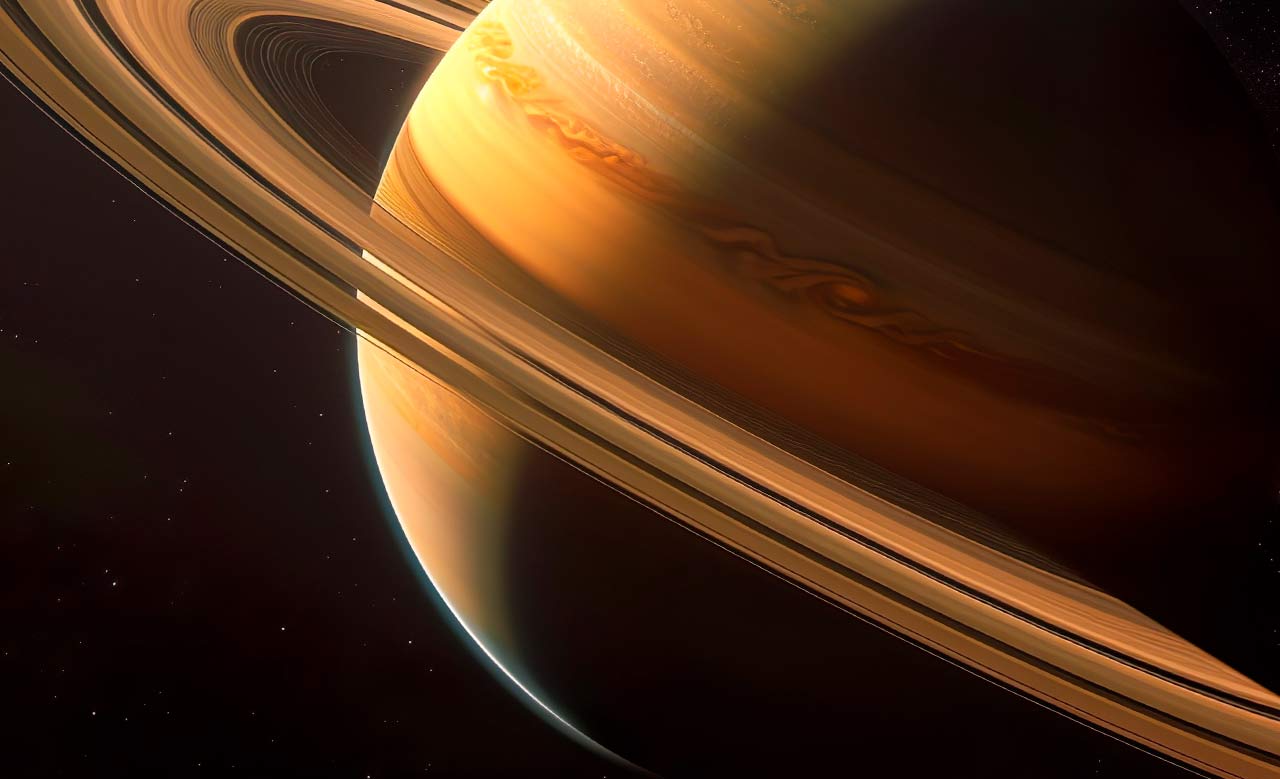
From most regions of Canada, observers can see:
- lunar craters and mountain ranges
- Jupiter’s cloud bands and Galilean moons
- Saturn’s rings
- bright nebulae and open star clusters
- meteor showers such as the Perseids
Understanding these limits early helps align expectations, especially when comparing visual observing to images from space telescopes.
Learning Astronomy Beyond Your Backyard
Outdoor observing raises questions that are difficult to answer alone. Scale, distance, and motion across vast timeframes are hard to grasp without guided explanation. Planetariums and science centres fill that gap and have played this role in Canada for decades.
They allow people to experience the sky independent of weather, season, or location.
Planetariums as an Introduction to the Sky
Planetariums make the sky navigable. They show how constellations move through seasons, why eclipses occur, and how planets follow predictable paths.
Institutions such as H. R. MacMillan Space Centre and Planétarium Rio Tinto Alcan have shaped public astronomy education for generations. Both combine immersive dome shows with exhibitions that connect observation to science and technology.
Former astronaut Chris Hadfield once noted the importance of public science spaces when speaking about early inspiration:
“You don’t fall in love with space by reading equations. You fall in love by seeing it, feeling it, and understanding your place in it.”
For those who prefer to start from home, online resources offer a useful complement to live shows. A photographic tour of the universe, moving from the solar system outward through star clusters, nebulae, and distant galaxies, gives a sense of scale that is difficult to convey in words alone. Several Canadian institutions host or link to such tours as part of their public outreach programs.
🇨🇦 Canadian Planetariums by City
| Planetarium | City, Province | Type | Primary Focus |
|---|---|---|---|
| H. R. MacMillan Space Centre | Vancouver, British Columbia | Fixed dome | Public astronomy shows, space science |
| Planétarium Rio Tinto Alcan | Montréal, Québec | Fixed dome | Astronomy, astrophysics, science outreach |
| Jasper Planetarium | Jasper, Alberta | Fixed dome | Dark-sky interpretation, guided observing |
| TELUS World of Science Edmonton | Edmonton, Alberta | Science centre | Space, technology, interactive learning |
| TELUS Spark Science Centre | Calgary, Alberta | Science centre | Astronomy, physics, family programs |
| Science North Planetarium | Sudbury, Ontario | Fixed dome | Earth sciences, space exploration |
| W. J. McCallion Planetarium | Hamilton, Ontario | University-based | Academic astronomy, public lectures |
| Manitoba Museum Planetarium | Winnipeg, Manitoba | Fixed dome | Astronomy, space history |
| Halifax Planetarium | Halifax, Nova Scotia | Fixed dome | Public astronomy education |
| Northern Lights Centre | Watson Lake, Yukon | Science centre | Aurora science, northern skies |
| Ontario Science Centre | Toronto, Ontario | Science centre | Space, Earth science, interactive exhibits |
Science Centres: From Exhibits to Exploration
Science centres broaden the experience beyond the sky itself. Facilities such as TELUS Spark Science Centre and TELUS World of Science Edmonton integrate astronomy with physics, robotics, and engineering.
In Ontario, the Ontario Science Centre and the Canada Science and Technology Museum historically introduced space science through interactive exhibits rather than lectures. These environments often serve as the first exposure to satellites, orbital mechanics, and Earth observation.
How Public Astronomy Spaces Support Education
Canada’s astronomy education network extends beyond major cities. Portable planetariums and outreach programs bring dome experiences to smaller communities, northern regions, and schools.
Fixed planetariums focus on immersive sky simulation, using dome projections to recreate the night sky and astronomical events. In Canada, well-known examples are found in Vancouver, Montréal, and Jasper, where they serve both public audiences and educational programs.
Science centres approach space learning through hands-on, interactive exhibits. Cities such as Calgary and Edmonton use these spaces to connect astronomy with physics, technology, and everyday science in a way that works for families and school groups.
Portable planetariums play a different role by bringing astronomy to communities without permanent facilities. They support regional outreach across Ontario, Atlantic Canada, and northern areas, often visiting schools, libraries, and remote communities.
This layered approach helps explain why astronomy education remains accessible even in remote areas.
From Stargazing to Space Technology
For many Canadians, interest in astronomy does not stop at observation. Questions about satellites, climate monitoring, and exploration naturally follow. This transition reflects how space science itself developed.
Astronomy provided the observational foundation. Technology extended those principles beyond Earth.
How Amateur Astronomy Connects to Space Science
Amateur observers contribute meaningful data. Long-term monitoring of variable stars, meteor counts, and planetary events supports professional research. Canadian astronomy organisations have encouraged this collaboration for decades.
Both the Royal Astronomical Society of Canada and the Canadian Astronomical Society have repeatedly highlighted the role of citizen observers in public outreach materials, noting that consistent observation over time remains valuable even in the era of automated instruments.
Everyday Technologies Rooted in Space Research
Space science influences daily life in Canada in practical ways. Government and academic sources regularly point to applications such as:
- satellite navigation and precise timing
- weather forecasting and climate monitoring
- telecommunications and broadcasting
- search and rescue coordination
These systems rely on the same physical principles introduced in planetariums and observed through amateur equipment.
Canada’s Role in Modern Space Exploration
Canada’s space program focuses on specialisation rather than scale. Its contributions emphasise robotics, Earth observation, and scientific instrumentation.
Key facts about Canada’s space role
- Canada developed the Canadarm, Canadarm2, and Dextre robotic systems used on the International Space Station.
- Canadian-built instruments support Earth observation, climate monitoring, and disaster response.
- Canadian researchers contribute to international astronomy projects such as the Canada–France–Hawaii Telescope and the Gemini Observatory.
- Space activities are coordinated through the Canadian Space Agency, founded in 1989.
In official public material, the Agency states that space science exists to benefit life on Earth. One CSA publication summarises this position clearly:
“Space is not an abstract frontier. It is a practical domain that supports environmental protection, innovation, and economic activity.”
This framing connects directly back to public astronomy. Understanding the sky helps people understand why space infrastructure matters.
How Canadians Explore Astronomy Today
Most Canadians don’t arrive at astronomy through formal study. It usually starts casually: during travel, a clear night outside the city, or a visit to a science centre. Interest builds through exposure, not instruction. Seasonal rhythms matter: winter draws people indoors to planetariums and talks, while summer encourages late-night observing and public sky events.
Community access plays a major role. Public observing nights, museum programs, and university outreach make astronomy visible without requiring equipment or prior knowledge. Digital tools now support this curiosity, helping people identify planets, track satellites, or plan sessions around weather and light conditions.
Children often engage through visual storytelling and dome shows. Adults frequently return through stargazing or public lectures. Family astronomy activities, from backyard constellation hunts to planetarium dome shows, remain one of the most common starting points for lasting interest in the subject. International Astronomy Day, held annually in spring, serves as a focal point for local events across Canada: regional astronomy clubs set up telescopes in public spaces and welcome anyone curious about the sky.
An editorial insight from our team reflects this pattern:
“Interest rarely begins with technology. It begins with curiosity about the sky, and technology follows as explanation.”
Frequently Asked Questions
Do I need a telescope to start astronomy?
No. Many Canadians begin with unaided observation or binoculars before considering telescopes.
Are planetariums useful for adults?
Yes. Adults often benefit because planetariums clarify motion, scale, and orientation that casual observation cannot explain.
How is astronomy connected to space technology?
Astronomy provides observational knowledge that underpins satellites, navigation systems, and Earth monitoring.
Can stargazing lead to science and astronomy careers?
Yes. Many Canadian researchers trace their interest back to amateur observing or planetarium visits. Today, careers in astronomy include research positions at universities and observatories, instrumentation and engineering roles, science communication, and education. Astronomy jobs are available across academic, government, and private sectors, often in combination with physics, computing, or engineering backgrounds.
Is astronomy relevant outside research?
Yes. It supports technologies used daily and informs environmental monitoring and communication systems.
Where can I find astronomy courses in Canada?
Astronomy courses are offered at most Canadian universities, typically within physics or astrophysics departments. Many are open to non-science students as electives. Introductory astronomy courses covering the solar system, stars, and cosmology are widely available, and several institutions offer continuing education options for adult learners.